

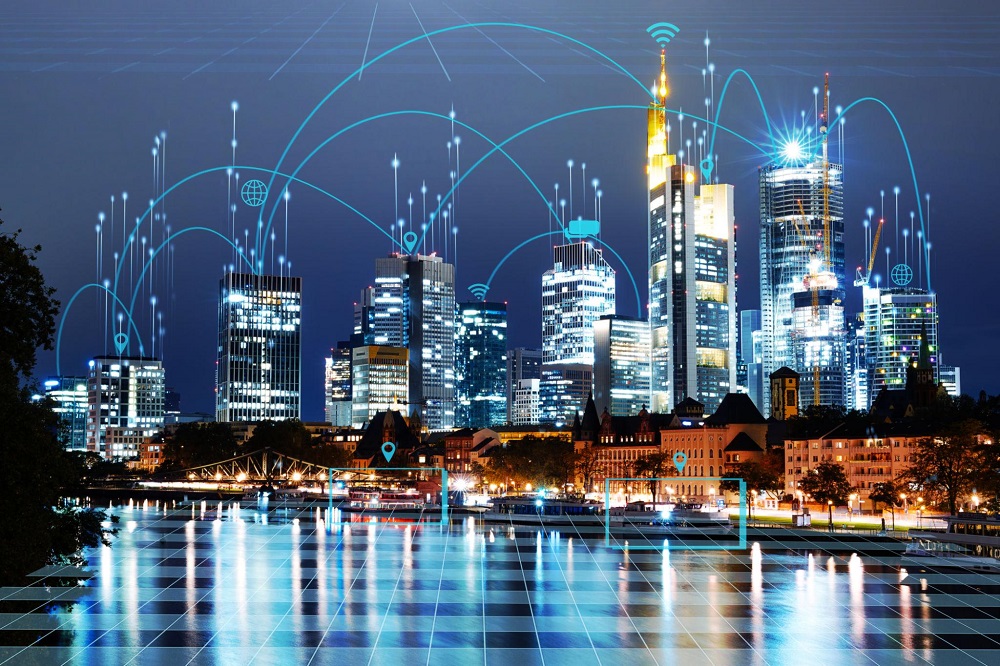
Smart cities are transforming how urban environments operate by integrating digital technology into infrastructure, transportation systems, utilities, and public services. As populations continue growing in metropolitan areas, city leaders increasingly rely on connected technologies to manage resources efficiently while improving quality of life for residents.
Technology allows cities to monitor real time conditions, respond quickly to challenges, and plan future development more effectively. From intelligent traffic systems to energy efficient buildings, smart city solutions support sustainability, safety, and economic growth.
This article explains how smart cities use technology efficiently and why these innovations are shaping the future of urban living.
Understanding What Defines A Smart City
A smart city uses digital tools and connected infrastructure to improve how services are delivered and managed. These technologies help city governments make better decisions by collecting and analyzing data from multiple sources.
Smart city systems typically include:
- Internet connected sensors
- Data analytics platforms
- Automated infrastructure monitoring tools
- Intelligent transportation networks
- Digital public service platforms
Together, these systems improve coordination between departments and support efficient resource management.
Smart cities focus on both operational efficiency and resident wellbeing.
Improving Traffic Flow Through Intelligent Transportation Systems
Traffic congestion is one of the biggest challenges facing growing cities. Smart transportation systems help reduce delays and improve travel efficiency through real time monitoring and automated control.
Technology driven traffic solutions include:
- Adaptive traffic signal timing
- Connected vehicle communication systems
- Real time traffic monitoring sensors
- Public transportation tracking platforms
These systems adjust traffic flow dynamically based on current conditions.
Improved traffic management reduces commute times and lowers fuel consumption across urban areas.
Enhancing Public Safety With Smart Surveillance Systems
Public safety is a major priority for urban planners. Smart surveillance technologies allow cities to respond more quickly to emergencies while supporting preventive safety strategies.
Examples of safety focused technologies include:
- Intelligent video monitoring systems
- Emergency response coordination platforms
- Connected street lighting networks
- Real time alert communication tools
These technologies help emergency services operate more efficiently and improve response times during incidents.
Better coordination strengthens community safety outcomes.
Managing Energy Consumption Through Smart Grids
Energy efficiency is essential for sustainable urban development. Smart grids allow cities to monitor electricity usage and balance supply more effectively.
Smart energy management systems support:
- Real time consumption tracking
- Integration of renewable energy sources
- Automated outage detection
- Improved load distribution across networks
These capabilities reduce energy waste and improve service reliability.
Efficient energy systems support environmental sustainability goals.
Optimizing Waste Management With Sensor Based Systems
Waste collection is another area where technology improves operational efficiency. Smart waste management systems use sensors to monitor container levels and optimize collection schedules.
Benefits of sensor based waste management include:
- Reduced collection frequency when unnecessary
- Lower fuel usage by service vehicles
- Improved sanitation conditions
- Better resource allocation for collection teams
Efficient waste management reduces operational costs and supports cleaner urban environments.
Technology driven solutions improve service responsiveness.
Supporting Water Conservation Through Smart Monitoring
Water resource management is critical for sustainable city operations. Smart cities use connected monitoring systems to track usage patterns and detect leaks quickly.
Water management technologies help cities:
- Identify pipeline issues early
- Monitor consumption levels accurately
- Improve irrigation efficiency in public spaces
- Reduce unnecessary water loss
Efficient water monitoring protects valuable resources and improves service reliability.
Sustainable water systems strengthen long term urban resilience.
Improving Public Transportation Accessibility
Smart transportation platforms improve accessibility by providing residents with accurate travel information in real time.
Examples of improvements include:
- Digital route planning applications
- Live arrival updates for buses and trains
- Integrated payment systems
- Demand responsive transit scheduling
These features make public transportation more reliable and convenient.
Improved accessibility encourages greater use of shared transit systems.
Enhancing Urban Planning Through Data Analytics
City planners rely increasingly on data analytics to understand how residents interact with infrastructure. Data driven insights help leaders design better policies and allocate resources more effectively.
Analytics platforms support:
- Population movement tracking
- Infrastructure usage monitoring
- Environmental condition analysis
- Housing development planning
Access to accurate data improves long term planning decisions.
Smart planning supports balanced urban growth.
Strengthening Environmental Monitoring Systems
Environmental monitoring technologies help cities track air quality, temperature variations, and pollution levels.
Smart environmental monitoring supports:
- Early identification of pollution hotspots
- Improved climate response planning
- Better management of green spaces
- Protection of public health conditions
These monitoring systems allow cities to respond quickly to environmental challenges.
Technology driven awareness supports healthier communities.
Supporting Digital Public Services For Residents
Smart cities provide residents with digital platforms that simplify access to essential services. Online service portals improve communication between governments and communities.
Examples of digital services include:
- Online permit applications
- Electronic bill payment systems
- Digital reporting tools for infrastructure issues
- Public service scheduling platforms
Digital access reduces administrative delays and improves convenience.
Residents benefit from faster service delivery.
Improving Building Efficiency Through Smart Infrastructure
Smart buildings play an important role in efficient city operations. Automated building systems adjust lighting, temperature, and ventilation based on occupancy patterns.
Benefits of smart building technologies include:
- Reduced energy consumption
- Improved indoor comfort conditions
- Lower maintenance requirements
- Enhanced operational efficiency
Efficient buildings contribute to broader city sustainability goals.
Infrastructure modernization supports long term cost savings.
Encouraging Citizen Participation Through Digital Platforms
Smart cities encourage residents to participate actively in urban decision making. Digital engagement platforms allow communities to share feedback and report concerns quickly.
Citizen participation tools support:
- Public feedback collection systems
- Community planning discussions
- Infrastructure issue reporting
- Transparent policy communication
Stronger communication improves trust between residents and city administrations.
Community engagement strengthens governance effectiveness.
Supporting Economic Growth Through Innovation Ecosystems
Technology driven urban environments attract businesses that depend on digital infrastructure and skilled talent.
Smart city ecosystems support economic growth through:
- Technology innovation hubs
- Startup development programs
- Research collaboration networks
- Improved connectivity infrastructure
Efficient digital environments encourage investment and job creation.
Economic growth strengthens long term city development strategies.
Preparing Cities For Future Population Expansion
Urban populations continue increasing worldwide. Smart technologies help cities manage growth while maintaining service quality.
Population growth preparation strategies include:
- Predictive infrastructure planning tools
- Scalable transportation systems
- Efficient housing development monitoring
- Resource usage forecasting platforms
Planning ahead improves long term service stability.
Technology enables cities to adapt responsibly to changing demands.
Frequently Asked Questions
1. What role does artificial intelligence play in smart city development
Artificial intelligence helps analyze large data sets that support traffic management, energy optimization, and predictive maintenance systems.
2. Are smart city technologies expensive to implement
Initial investments may be significant, but long term savings from efficiency improvements often offset implementation costs.
3. How do smart cities protect digital infrastructure from cybersecurity risks
Cities use secure communication networks, monitoring systems, and encryption technologies to protect infrastructure data.
4. Can smaller cities benefit from smart city technologies
Yes. Scalable technology solutions allow smaller municipalities to adopt efficient systems gradually.
5. How do smart cities improve emergency response coordination
Connected communication platforms allow emergency teams to access real time information and coordinate actions more effectively.
6. What role do residents play in smart city success
Residents contribute by using digital services responsibly and participating in community feedback initiatives.
7. Are smart cities environmentally sustainable
Many smart city technologies support energy efficiency, pollution monitoring, and responsible resource management that improve environmental sustainability.