
A home is more than a physical structure. It is a place where people rest, grow, connect with family, and build daily routines that support wellbeing. In modern society, homes serve multiple purposes beyond shelter. They function as workplaces, learning environments, relaxation spaces, and centers for personal expression.
As lifestyles evolve, the expectations people have from their homes continue to change. Comfort, safety, organization, functionality, and emotional connection all play important roles in shaping how individuals design and experience their living environments. A thoughtfully planned home supports physical health, mental clarity, and long term stability.
This article explores the importance of homes in modern life and explains how design, organization, safety, and lifestyle choices contribute to creating supportive living spaces.
Understanding The Role Of Home In Everyday Life
A home provides structure and stability that support daily routines. It creates an environment where individuals feel secure and able to focus on personal and professional responsibilities.
Key roles a home plays in modern life include:
- Providing physical protection from weather and external conditions
- Supporting family interaction and communication
- Creating a private environment for rest and recovery
- Offering space for productivity and learning
- Encouraging personal expression through design and organization
A well maintained home contributes to both comfort and long term wellbeing.
Living environments influence mood, productivity, and overall quality of life.
Creating Comfortable Living Spaces That Support Relaxation
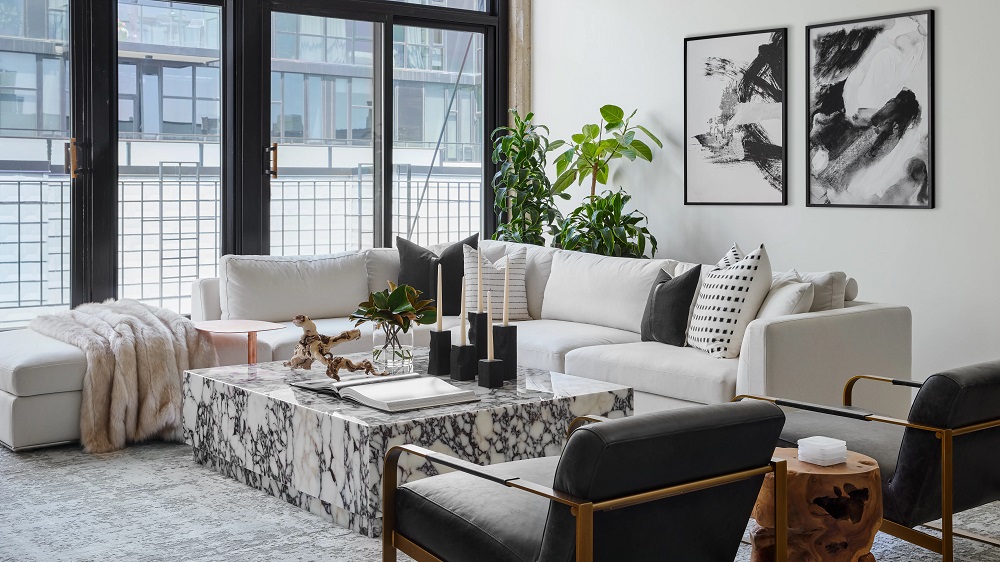
Comfort is one of the most important qualities of a functional home. Comfortable living spaces help individuals recharge after daily responsibilities and maintain emotional balance.
Ways to improve comfort inside the home include:
- Choosing supportive furniture that matches daily needs
- Maintaining appropriate lighting levels
- Keeping indoor temperatures balanced
- Reducing unnecessary noise disruptions
- Selecting calming color combinations
Comfortable environments support better sleep patterns and improved concentration during daily tasks.
Relaxation spaces help maintain healthy routines throughout the week.
Designing Functional Layouts For Modern Lifestyles
Modern homes often need to support multiple activities within limited space. Functional layouts help residents move efficiently between work, relaxation, and household responsibilities.
Important layout considerations include:
- Clear walking paths between rooms
- Flexible furniture arrangements
- Efficient storage solutions
- Multi purpose living areas
- Accessible kitchen organization systems
Functional design improves both safety and convenience.
Thoughtful planning makes everyday tasks easier and more enjoyable.
Organizing Storage To Maintain Clean And Efficient Spaces
Storage plays a central role in maintaining an organized home environment. Clutter free spaces improve both visual comfort and productivity.
Effective storage strategies include:
- Using vertical shelving to maximize space
- Labeling storage containers clearly
- Keeping frequently used items easily accessible
- Rotating seasonal items when necessary
- Maintaining dedicated storage zones for each room
Organization supports smoother daily routines and reduces stress.
Clean spaces contribute to improved focus and relaxation.
Supporting Healthy Living Through Indoor Environment Quality
Indoor air quality and lighting conditions influence overall health more than many people realize. Homes that support physical wellbeing create stronger long term comfort.
Healthy home environment practices include:
- Ensuring proper ventilation throughout living spaces
- Allowing natural light into frequently used rooms
- Maintaining clean air circulation systems
- Reducing exposure to unnecessary pollutants
Healthy indoor environments support better breathing and improved energy levels.
Environmental quality inside the home affects long term wellness.
Creating Productive Home Workspaces For Daily Tasks
Many people now rely on home workspaces to support professional responsibilities or personal projects. A well designed workspace improves efficiency and concentration.
Effective home workspace features include:
- Comfortable seating arrangements
- Adequate desk lighting
- Organized document storage
- Reduced distractions during working hours
Dedicated workspaces support stronger time management and productivity.
Separating work areas from relaxation spaces improves balance between responsibilities and rest.
Strengthening Family Connections Through Shared Living Areas
Shared spaces encourage communication and interaction between family members. Living rooms and dining areas often serve as gathering points that support stronger relationships.
Ways to improve shared spaces include:
- Arranging seating to encourage conversation
- Creating areas for shared activities
- Maintaining comfortable lighting conditions
- Keeping spaces clean and welcoming
Family centered spaces strengthen cooperation and emotional support.
Shared environments contribute to stronger household connections.
Improving Kitchen Efficiency For Daily Living
The kitchen remains one of the most frequently used areas in any home. Efficient kitchen layouts support healthy eating habits and simplify daily routines.
Helpful kitchen organization strategies include:
- Storing cooking tools within easy reach
- Keeping countertops clear for food preparation
- Organizing pantry items systematically
- Maintaining clean surfaces regularly
Efficient kitchens reduce preparation time and support healthier lifestyles.
Well organized kitchens improve daily convenience.
Enhancing Bedroom Comfort For Better Rest
Bedrooms play an essential role in supporting physical recovery and mental relaxation. Comfortable sleeping environments improve overall health and productivity.
Important bedroom improvement strategies include:
- Selecting supportive mattresses and pillows
- Maintaining quiet surroundings during rest hours
- Reducing excessive lighting before sleep
- Keeping bedrooms organized and uncluttered
Quality rest supports stronger focus and emotional balance during the day.
Bedroom comfort contributes to long term wellbeing.
Maintaining Home Safety For Everyday Protection
Safety remains one of the most important responsibilities of homeowners and residents. Preventive measures help reduce risks and protect household members.
Basic home safety practices include:
- Installing smoke detection systems
- Maintaining secure door locks
- Keeping walkways free of obstacles
- Checking electrical systems regularly
Safe environments support peace of mind and confidence in daily routines.
Home safety planning protects both residents and property.
Supporting Sustainability Through Responsible Home Practices
Modern homeowners increasingly focus on sustainability and resource efficiency. Responsible home management supports both environmental protection and long term cost savings.
Sustainable home practices include:
- Using energy efficient lighting systems
- Reducing unnecessary water usage
- Improving insulation performance
- Choosing durable household materials
Sustainability helps households manage resources responsibly while supporting environmental awareness.
Efficient homes reduce long term operating expenses.
Personalizing Living Spaces For Emotional Wellbeing
Homes reflect the personalities and preferences of the people who live in them. Personal touches improve emotional comfort and create stronger connections to living environments.
Ways to personalize home spaces include:
- Displaying meaningful artwork or photographs
- Choosing colors that support relaxation
- Arranging furniture according to lifestyle needs
- Incorporating plants into indoor environments
Personalized homes support stronger emotional satisfaction.
Individual expression improves comfort within daily routines.
Maintaining Regular Home Care And Maintenance Habits
Routine maintenance keeps homes functional and comfortable over time. Preventive care reduces the likelihood of unexpected repairs and improves long term reliability.
Important maintenance habits include:
- Inspecting plumbing systems periodically
- Cleaning ventilation areas regularly
- Checking structural components when necessary
- Maintaining appliances according to usage schedules
Consistent maintenance supports long term property value and stability.
Well maintained homes provide dependable living environments.
Adapting Homes To Changing Lifestyle Needs
As families grow and responsibilities change, home environments must adapt accordingly. Flexible design strategies help households respond effectively to new situations.
Adaptation strategies include:
- Creating multifunctional rooms
- Adjusting storage solutions over time
- Updating furniture layouts as needed
- Supporting accessibility improvements when required
Flexible homes remain useful throughout different life stages.
Adaptability supports long term satisfaction with living environments.
Frequently Asked Questions
1. How can small homes feel more spacious and comfortable
Using vertical storage, maintaining clutter free layouts, and choosing multifunctional furniture helps improve space efficiency in smaller homes.
2. What role does natural lighting play in home comfort
Natural lighting improves mood, reduces eye strain, and supports healthier daily routines inside living spaces.
3. How often should home maintenance inspections be performed
Basic inspections should be completed several times each year to identify potential issues early.
4. Can home organization improve productivity levels
Yes. Organized environments reduce distractions and help individuals complete tasks more efficiently.
5. Why is ventilation important in modern homes
Proper ventilation improves air quality and supports healthier indoor living conditions.
6. How can homeowners make living spaces more energy efficient
Improving insulation, using efficient lighting, and maintaining appliances properly can reduce energy consumption.
7. What are the benefits of creating dedicated activity zones inside a home
Separate zones for work, relaxation, and social interaction improve time management and support balanced daily routines.